Magnesium Sulphate Beyond Fertilizer Uses
- Share
- publisher
- HOLY Magnesium Industry
- Issue Time
- Nov 18,2026
Summary
Kieserite is not just fertilizer: feed, textiles, paper, cement, water and chemical uses for MgSO4.

Magnesium Sulphate Beyond Fertilizer Uses
Most buyers meet magnesium sulphate through the fertilizer shed, and it is easy to assume that is the whole market. In practice agriculture is only one of several channels. Magnesium sulphate monohydrate (kieserite), the heptahydrate better known as Epsom salt, and the anhydrous grade each serve a distinct set of industrial processes where solubility, sulphate content or magnesium density is the deciding factor. Understanding those applications helps buyers specify the right hydrate and the right purity band rather than defaulting to whatever grade is cheapest per tonne.
Animal Feed and Premix Formulation
Feed is the largest non-fertilizer outlet. Ruminants need magnesium at roughly 0.20-0.30 percent of dry matter, rising to about 0.35-0.40 percent for close-up dry cows, because low blood magnesium impairs calcium mobilisation at calving. Poultry require far less - typically 300-600 milligrams per kilogram of finished feed - but absorption efficiency matters more than inclusion rate, so rapidly soluble sulphates are preferred in premixes. The other side of the coin is dose discipline: excess magnesium has a laxative effect that shows up as wet litter and dirty eggs, so consistent grade and accurate dosing equipment matter as much as the source.
Textile, Leather and Paper Processing
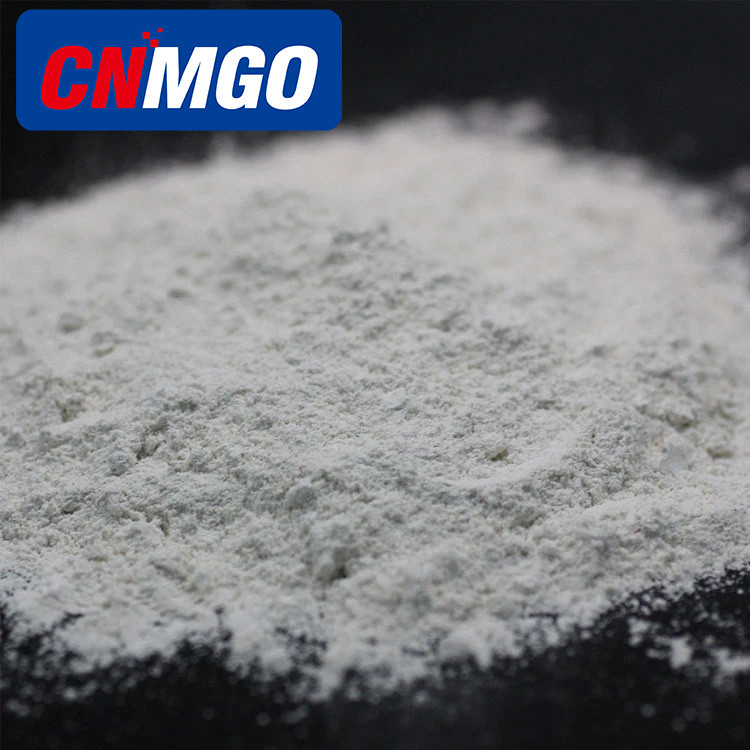
In textile dyeing magnesium sulphate acts as a levelling and weighting agent, moderating dye uptake so shades stay consistent across a batch; it also appears in printing pastes and in the treatment of delicate fibres. Tanneries use magnesium salts as fillers and in retanning auxiliaries where a pliable, full handle is required. In pulp and paper, magnesium sulphate is used as a stabiliser in peroxide and oxygen bleaching, tying up trace transition metals that would otherwise decompose the bleach and attack cellulose. Each of these uses cares about solubility and low iron content rather than about MgO percentage alone.
Magnesium Oxy-sulphate Cement and Boards
One of the fastest-growing construction uses is magnesium oxysulphate (MOS) cement, formed by reacting reactive magnesium oxide with a magnesium sulphate solution. The resulting binder cures quickly, bonds well to organic fillers such as wood flour and perlite, and produces lightweight, fire-resistant panels, artificial stone and insulation board with a much lower carbon footprint than ordinary Portland cement. Formulators typically work from a molar ratio of MgO to MgSO4 and a controlled water-to-solids ratio, which means both raw materials have to be specified tightly - reactivity and MgO content on one side, sulphate concentration and purity on the other.
Water Treatment, Plating and Chemical Intermediates
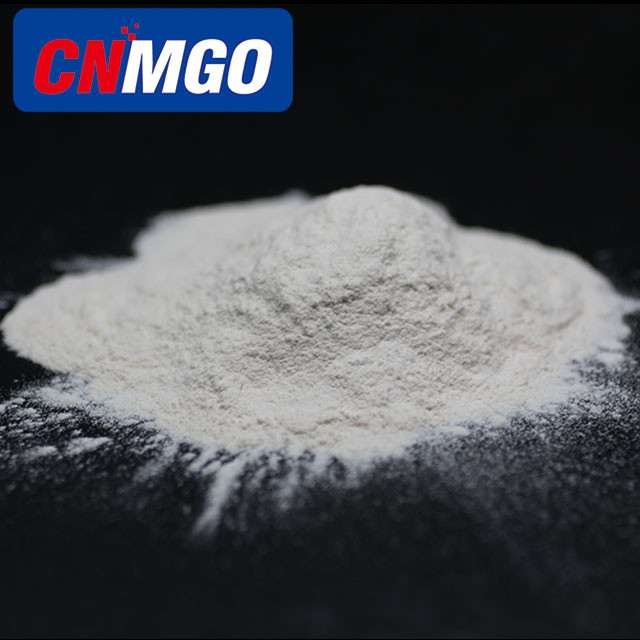
Magnesium sulphate is used to remineralise desalinated and softened water, where magnesium is added back for health and corrosion-control reasons. Electroplating baths, particularly nickel plating, use it as a conducting salt to raise bath conductivity without introducing unwanted anions. As a chemical intermediate it is the starting point for precipitated magnesium carbonate, magnesium hydroxide, magnesium stearate and Epsom salt production, and after dehydration it feeds magnesium metal electrolysis. In these channels the specification conversation shifts to chloride, iron and heavy metal limits, since downstream catalysts and electrolytes are sensitive to them.
Detergent, Personal Care and Niche Applications
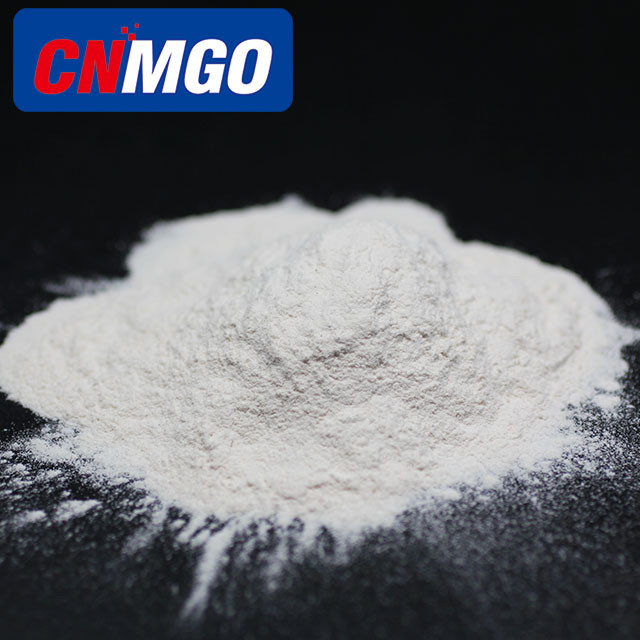
Smaller but steady volumes go into detergent powders as a processing aid and anti-caking component, into personal care and bath salts, and into brewing as a yeast nutrient - magnesium is a cofactor in several fermentation enzymes. Pharmaceutical grades are used as osmotic laxatives and, under medical supervision, in magnesium sulphate injection for eclampsia management; those channels demand pharmacopoeial compliance and full traceability rather than an industrial COA. Emerging uses include electrolytes for magnesium batteries and magnesium-based flame retardant systems, both of which specify high purity and tightly controlled water content.
Selecting the Right Hydrate and Grade
The hydrate choice is an arithmetic decision. Anhydrous magnesium sulphate carries the most magnesium per tonne, monohydrate (kieserite) around 29 percent MgO equivalent by chemistry, and heptahydrate roughly 16 percent - so freight cost per unit of magnesium delivered can differ by a factor of two even before purity is considered. Monohydrate is the practical compromise for bulk industrial use because it is stable, less prone to caking than the heptahydrate, and does not require the energy-intensive drying that anhydrous does. Whichever you choose, specify water-soluble MgO rather than total MgO where the application depends on availability, confirm the sulphur figure, set limits for lead, arsenic and cadmium for feed and food-adjacent routes, and agree particle size and packing for your handling system.

HOLY Perspective
HOLY (CNMGO Group Limited) supplies magnesium sulphate monohydrate (kieserite) powder with water-soluble MgO guaranteed at 20, 23 or 25 percent minimum, alongside the reactive caustic calcined magnesite used in MOS cement and in downstream magnesium chemicals, exported from Dalian to more than 50 countries. Tell our team the application, the hydrate you need and the analysis basis you quote on, and we will match grade, mesh and packing - 25 kg, 50 kg or jumbo - to your process.