How to Audit a Chinese Magnesia Supplier
- Share
- publisher
- HOLY Magnesium Industry
- Issue Time
- Nov 4,2026
Summary
An audit checklist for magnesia producers: ore, kiln, laboratory, certificates and trial orders.
How to Audit a Chinese Magnesia Supplier
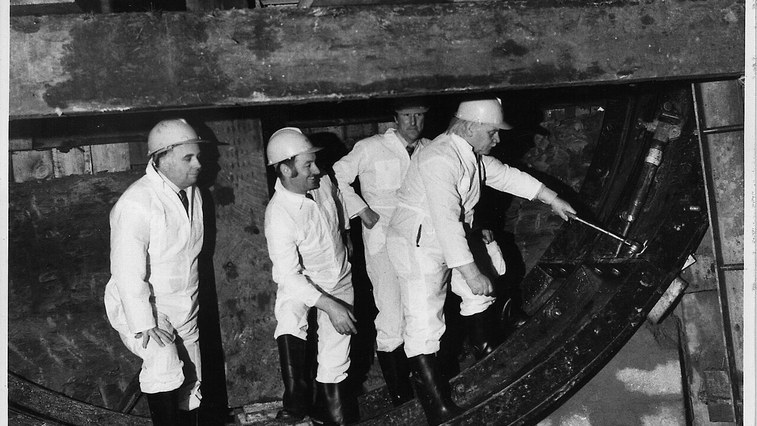
Magnesia is specified by chemistry and bought on trust, which is exactly why it deserves an audit. The gap between a catalogued grade and what arrives in the container comes from ore blending, kiln discipline and sampling practice, none of which appear in a quotation. A structured audit - on site, or remotely when travel is impractical - separates producers who control their process from traders who cannot.
Start at the Ore, Not the Product
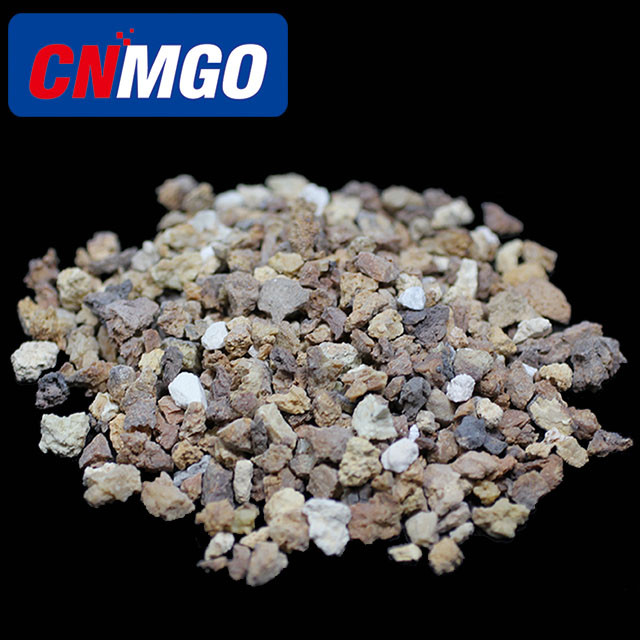
Everything downstream follows from the raw magnesite. Ask which mine or concentrate supply the plant draws from, what the typical MgO grade of that ore is before calcination, and whether the plant blends across sources. A producer that cannot answer has no control over the first step. Ask the same question about the reduction route: which kiln type, what firing temperature, and how it differs between CCM, DBM and FM campaigns.
Inspect the Laboratory
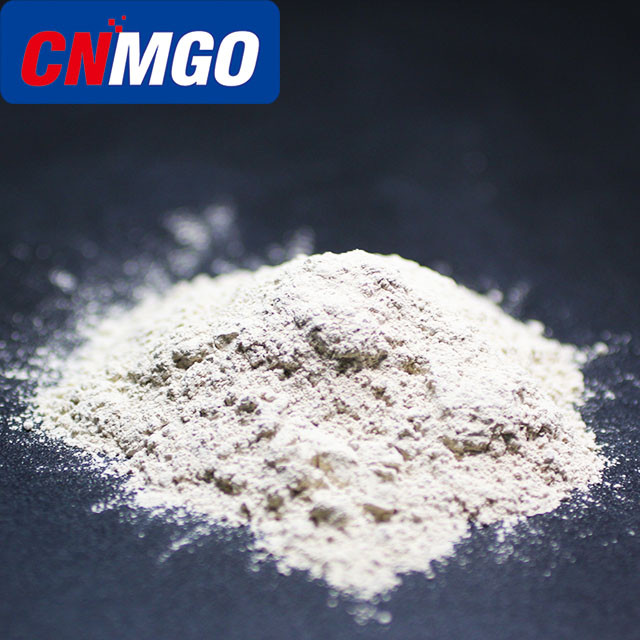
The laboratory tells you more than the showroom. Expect to see wet chemistry capability for MgO determination, equipment for impurity analysis such as XRF, a muffle furnace for loss on ignition, sieve shakers for particle size distribution, and ideally reactivity testing equipment for citric acid activity. Look for retained samples from prior lots. Then compare three COAs against their matching retained samples and check the lot numbers actually track.
Verify Certificates and Claims
Never accept a certificate number at face value. Take the ISO certificate number, issuing body and scope statement and verify them with the registrar; confirm the scope actually covers magnesia manufacture rather than generic trading. Confirm the business licence and export registration, and ask which product lines the plant makes itself versus resells. Trading is legitimate, but it should be disclosed and priced accordingly.
Traceability and Batch Integrity
A real quality system connects every bag to a production record. Ask to trace one lot backwards from the packing record through grinding, kiln campaign and ore batch, and forwards to the retained sample and the shipped COA. Ask how the plant prevents cross-contamination between grades on shared grinding lines, and whether fines from different campaigns are reprocessed into a later lot.
Packing, Weighing and Loading
Walk the packing line. Check bag construction, inner liner specification, whether scales are calibrated and how recently, pallet wrapping, and container loading practice including dunnage and moisture protection. Confirm shipper and receiver weights are reconciled, and ask what percentage of bags fail the line's own check. Poor packing produces claims that no amount of good chemistry can offset.
Validate Independently Before Committing
Audit findings should be confirmed by your own numbers. Place a trial order of 20-40 tonnes, take your own sample at destination using an agreed sampling plan, and send it to an independent laboratory for MgO, CaO, SiO2, Fe2O3, loss on ignition, sieve distribution and heavy metals where relevant. Only then fix the annual specification. Book a third-party inspection at load port for the first two or three shipments.

HOLY Perspective
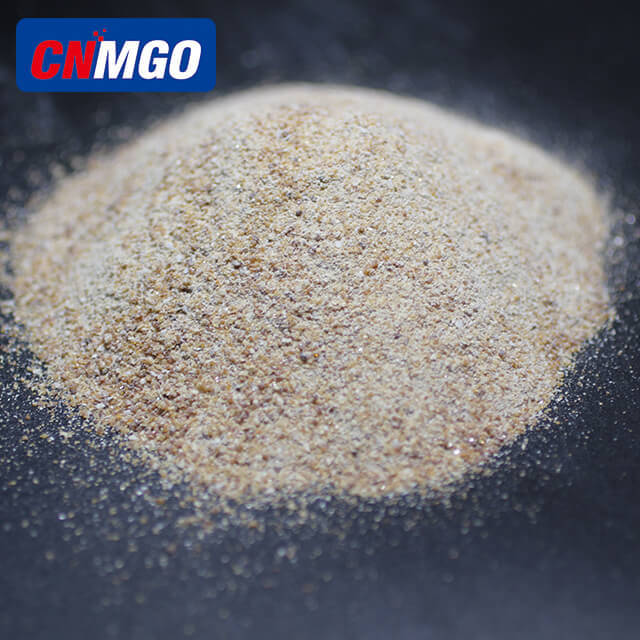
HOLY (CNMGO Group Limited) is a manufacturer, not a trader, producing CCM, DBM and FM at Dashiqiao in Liaoning and exporting from Dalian to more than 50 countries, with third-party inspection accepted and lot-level documentation supplied for every shipment. Bring this audit checklist to our team and we will answer it line by line before you place a trial order.