Rabi Season Magnesium Fertilizer Blends for Asia
- Share
- publisher
- HOLY Magnesium Industry
- Issue Time
- Oct 7,2026
Summary
Build rabi blends that hold together: soluble kieserite, and alkaline CCM kept away from ammonium N.
Rabi Season Magnesium Fertilizer Blends for Asia
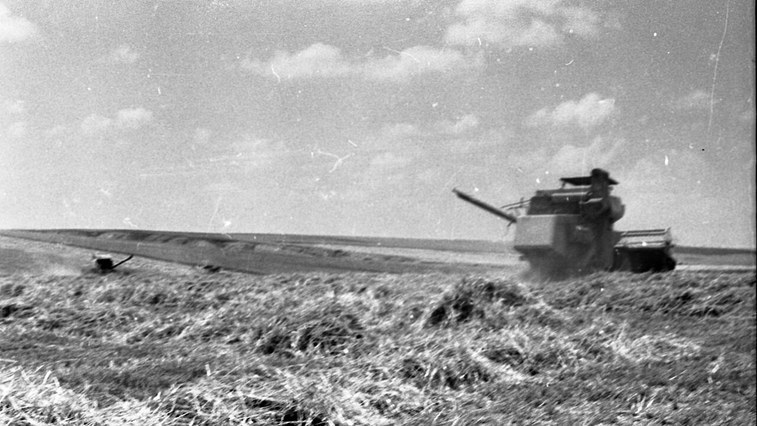
The rabi sowing window runs from October into December across much of South Asia, covering wheat, mustard, chickpea, barley and potato before harvest in spring. Basal dressing goes down at sowing, which means blenders must hold raw materials weeks in advance. Magnesium is increasingly part of that formulation, and getting the source and the particle size right decides whether the blend stays homogeneous from the mixer to the field.
Picking Between Kieserite and CCM
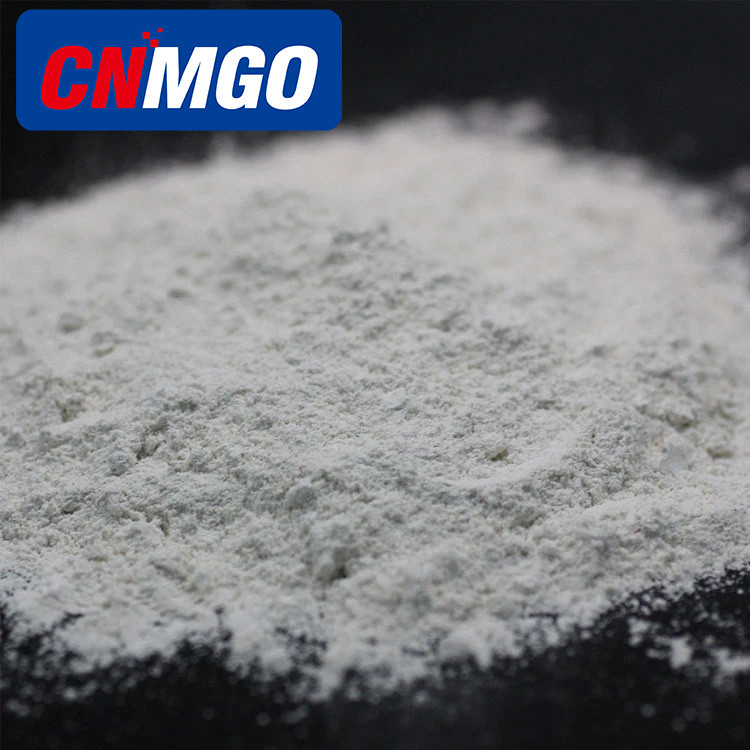
Two magnesium sources cover most rabi programmes. Magnesium sulphate monohydrate (kieserite) supplies water-soluble magnesium plus sulphur, is close to pH neutral in solution, and is chemically compatible with ammonium-based NPK blends. Agricultural-grade caustic calcined magnesite supplies magnesium oxide but carries strong alkalinity and reacts slowly, so it suits soil conditioners and base dressing rather than mixes containing urea or ammonium phosphate.
The Nitrogen Compatibility Trap
This is where blends fail. Free alkalinity from MgO raises local pH in the presence of moisture and ammonium nitrogen, volatilising ammonia and quietly removing nitrogen from the bag. Plants that bulk-blend urea or diammonium phosphate should keep CCM out of those mixes, or use a coated, low-reactivity grade and blend only immediately before spreading. Kieserite does not create this problem, which is why most NPK producers standardise on it.
Sulphur Is Half the Value
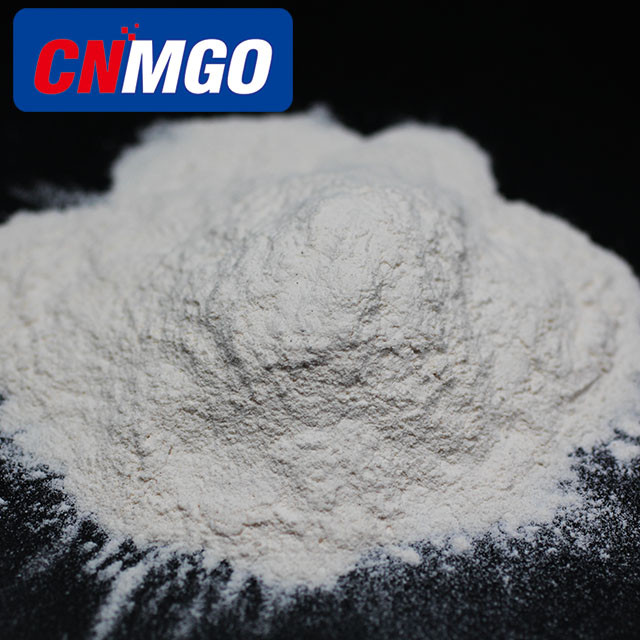
Rabi oilseeds and pulses have a high sulphur demand that has grown steadily as high-analysis sulphur-free fertilisers replaced single superphosphate. Kieserite delivers magnesium and sulphur together in plant-available form, effectively carrying two nutrient claims in one raw material. HOLY supplies magnesium sulphate monohydrate with water-soluble MgO guaranteed at 20 percent, 23 percent or 25 percent minimum plus roughly 20-22 percent sulphur.
Particle Size and Segregation
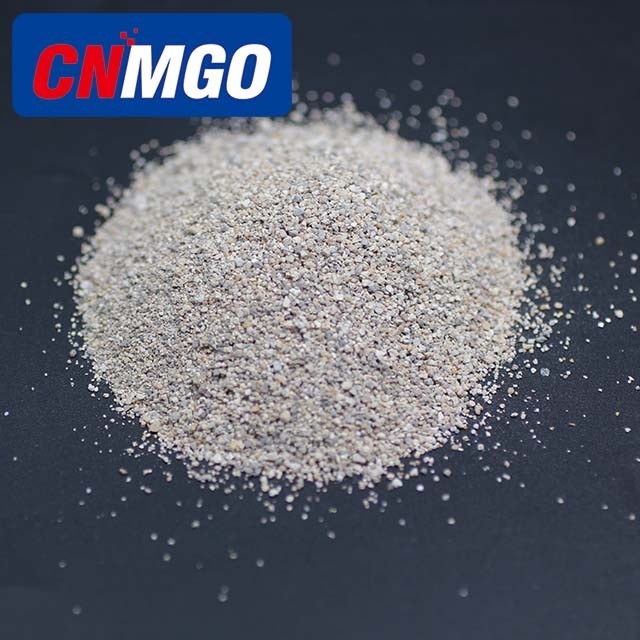
Homogeneity is a physical problem, not a chemical one. A fine powder blended with 2-4 mm granular NPK will migrate to the bottom of the bag and the base of the pile. Specify a granular or coarse fraction closer to the bulk blend's mean particle size, check the size index with a sieve test on arrival, and minimise drop heights during transfer. Bulk blends work best when the major components sit within a narrow particle size band.
Rates and Timing
Application should follow soil test results rather than a fixed recipe. Typical programmes apply 10-25 kg per hectare of elemental magnesium as basal dressing, higher on coarse-textured and acidic soils where leaching losses are greatest, and reach for top dressing in-season where deficiency symptoms appear - interveinal chlorosis on older leaves being the classic sign.
Reading the Certificate of Analysis
Agricultural buyers lose money on basis errors. Check whether the quoted MgO is stated as received or on a dry basis, since moisture can move the figure by several points. For kieserite, confirm what fraction of the MgO is declared water soluble, because that is the part immediately plant available. Record the sulphur figure as well, then screen for cadmium and other heavy metals, particularly if the material enters both fertiliser and feed channels in the same plant.

HOLY Perspective
HOLY (CNMGO Group Limited) exports kieserite and agricultural-grade CCM from Dalian to blenders and distributors in more than 50 countries. Send us your grade requirement, analysis on the 100 percent MgO basis you quote, particle size range and packing format - 25 kg, 50 kg or jumbo - and our team will quote against the rabi shipping window.