Fused Magnesia for Heating Elements: Electrical Grade
- Share
- publisher
- HOLY Magnesium Industry
- Issue Time
- Aug 19,2026
Summary
Electrical-grade fused magnesia powers heating elements. Learn the MgO purity and density specs buyers should specify.
Fused Magnesia for Heating Elements: Electrical Grade
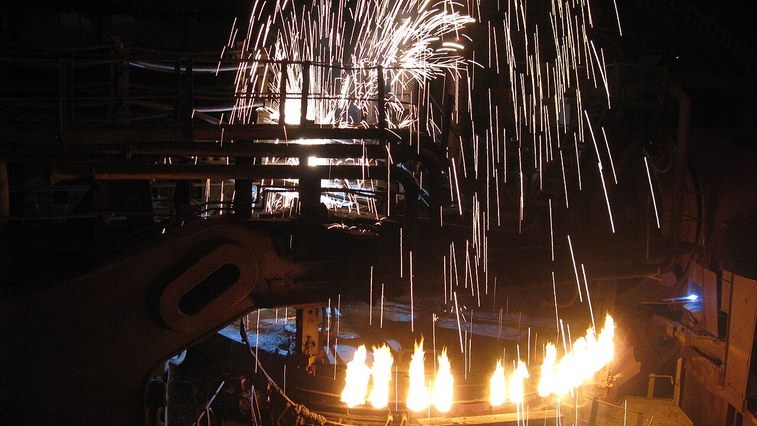
Electrical-grade fused magnesia (FM) sits at the core of modern high-temperature heating technology. From industrial cartridge heaters and furnace elements to laboratory crucibles and thermocouple sheaths, fused magnesia ceramic provides the rare combination of electrical insulation and thermal endurance that resistive heating demands. As electrification and high-temperature processing expand across Asia, demand for consistent electrical-grade FM is climbing steadily.
Why Electrical-Grade Purity Matters
Not all magnesia is suitable for electrical use. For an insulating ceramic, the critical parameters are high MgO content and very low levels of conductive impurities such as iron oxide, silica and calcium oxide. Even small amounts of these contaminants raise leakage current and reduce dielectric strength at elevated temperatures. HOLY's electrical-grade fused magnesia is produced from selected magnesite and fused at very high temperature to deliver MgO 95-99% with tightly controlled impurity limits.
The Role of MgO in Resistive Heating
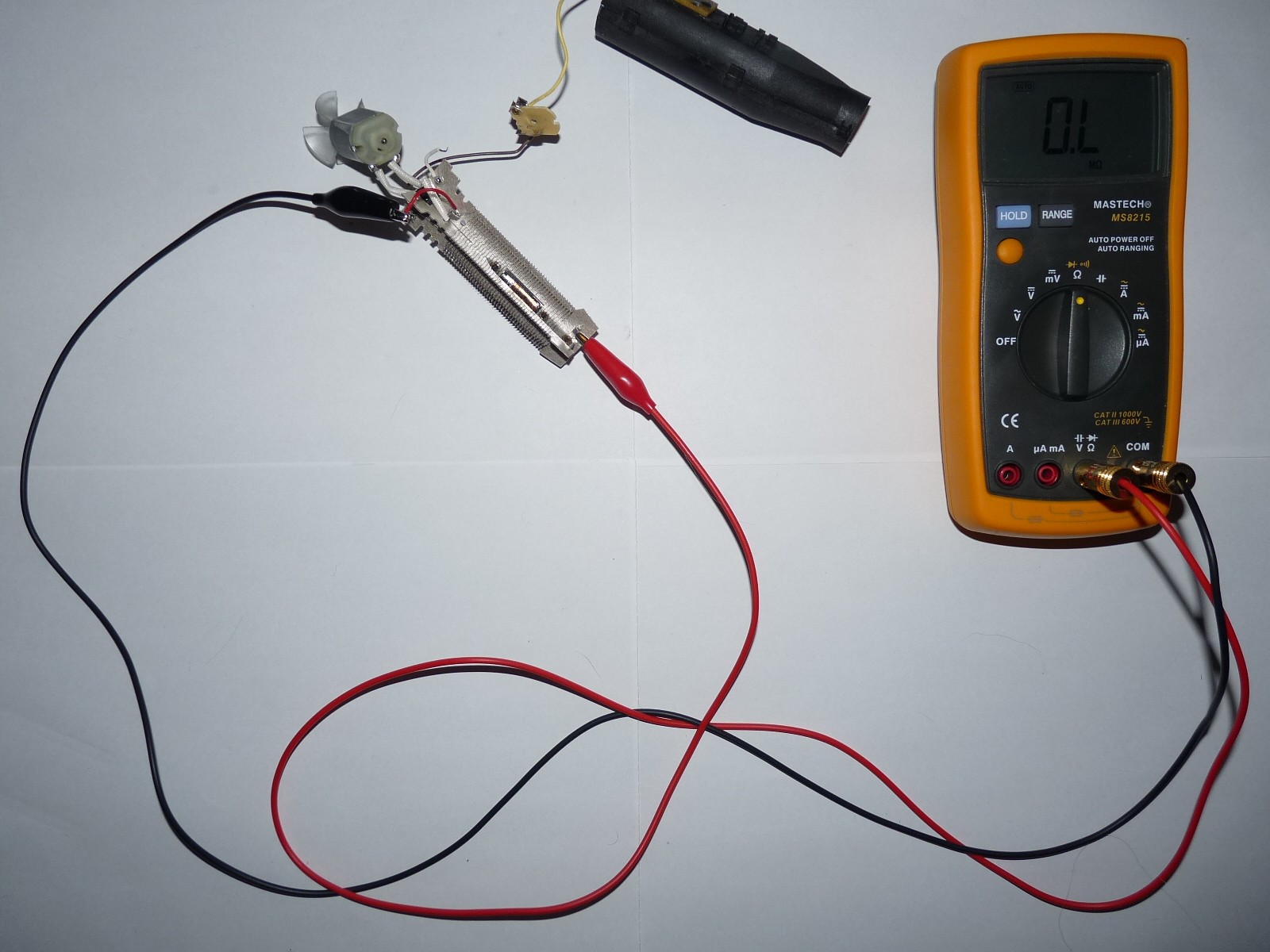
In a typical heating element, a resistance wire is embedded in a dense magnesia ceramic body. The magnesia acts as the electrical insulator that keeps the live wire separated from the metal sheath while efficiently transferring heat outward. Its high volume resistivity at operating temperature, combined with excellent thermal conductivity relative to other ceramics, makes MgO the default choice for compact, high-watt-density heaters used in plastics, packaging and food equipment.
Density and Thermal Stability
Fused magnesia develops large, well-grown crystals and low porosity, which translate into high bulk density and strong resistance to thermal shock. Elements built with dense FM packing resist cracking during repeated heat-up and cool-down cycles, extending service life and reducing field failures. For buyers, a documented bulk density figure is often as important as the MgO percentage itself.
Choosing the Right FM Grade
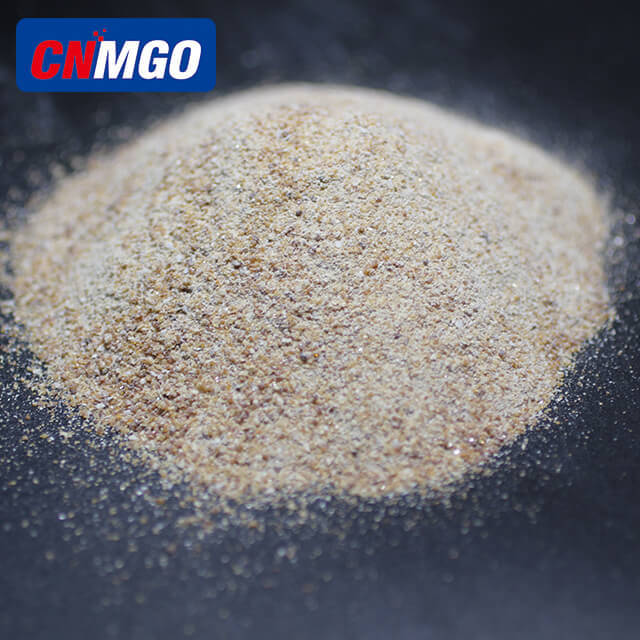
Particle size and form should match the manufacturing process. Fine FM powder is used for pressing and filling operations, while granular grades help achieve uniform packing in tubular elements. HOLY supplies fused magnesia powder at MgO 95-99% for demanding electrical and refractory applications, giving element makers a spec they can audit before shipment.
Beyond Heating Elements: Crucibles and Ceramics
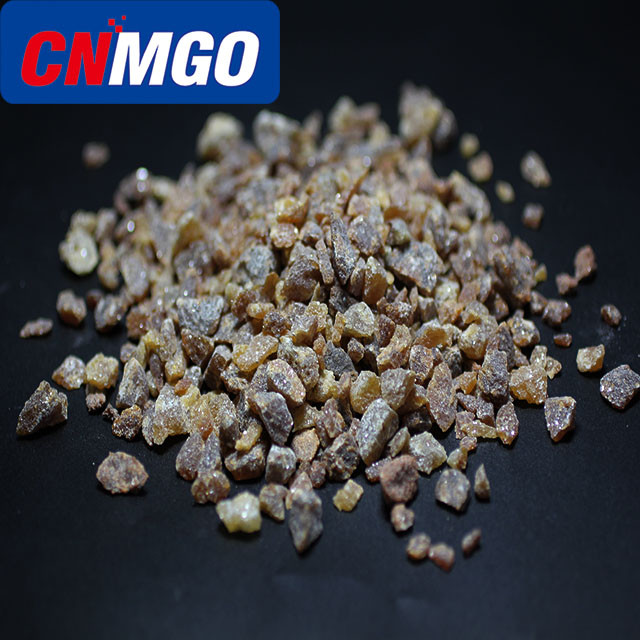
The same high-purity fused material serves crucibles for non-ferrous metals, laboratory ceramic ware, and insulating components in sensors and analyzers. For these uses, consistency of crystal structure and freedom from contaminants protect both product purity and equipment reliability. HOLY's granular FM supports both pressed and slip-cast ceramic routes.
What Buyers Should Specify
To avoid quality disputes, enquiries should state the target MgO minimum, maximum impurity levels (especially Fe2O3 and SiO2), required bulk density, particle size distribution and packing method. Providing the end application - cartridge heater, furnace element or crucible - lets the supplier recommend the most cost-effective grade. HOLY provides full documentation and third-party inspection on request.
HOLY Perspective
HOLY (CNMGO Group Limited) manufactures fused magnesia, dead burned magnesia and caustic calcined magnesite at its Dashiqiao, Liaoning base, exporting to 50+ countries. For heating-element and ceramic buyers, our recommendation is to qualify an electrical-grade FM supply with documented MgO, impurity and density specs, and to stage arrivals ahead of peak production seasons.