What is Magnesium Oxide? BY:Lydia
- Share
- publisher
- 、Saskia
- Issue Time
- Oct 2,2025
Summary
Magnesium oxide (MgO), a high-temp stability alkaline earth oxide (2852°C), is critical in refractory, ceramics, & pharmaceuticals. Calcined from magnesite/dolomite or seawater, it offers acid resistance, flame-retardancy, and pH modulation. Light/heavy MgO variants enhance catalysis/adsorption and furnace linings, key in steel, electronics, and agriculture
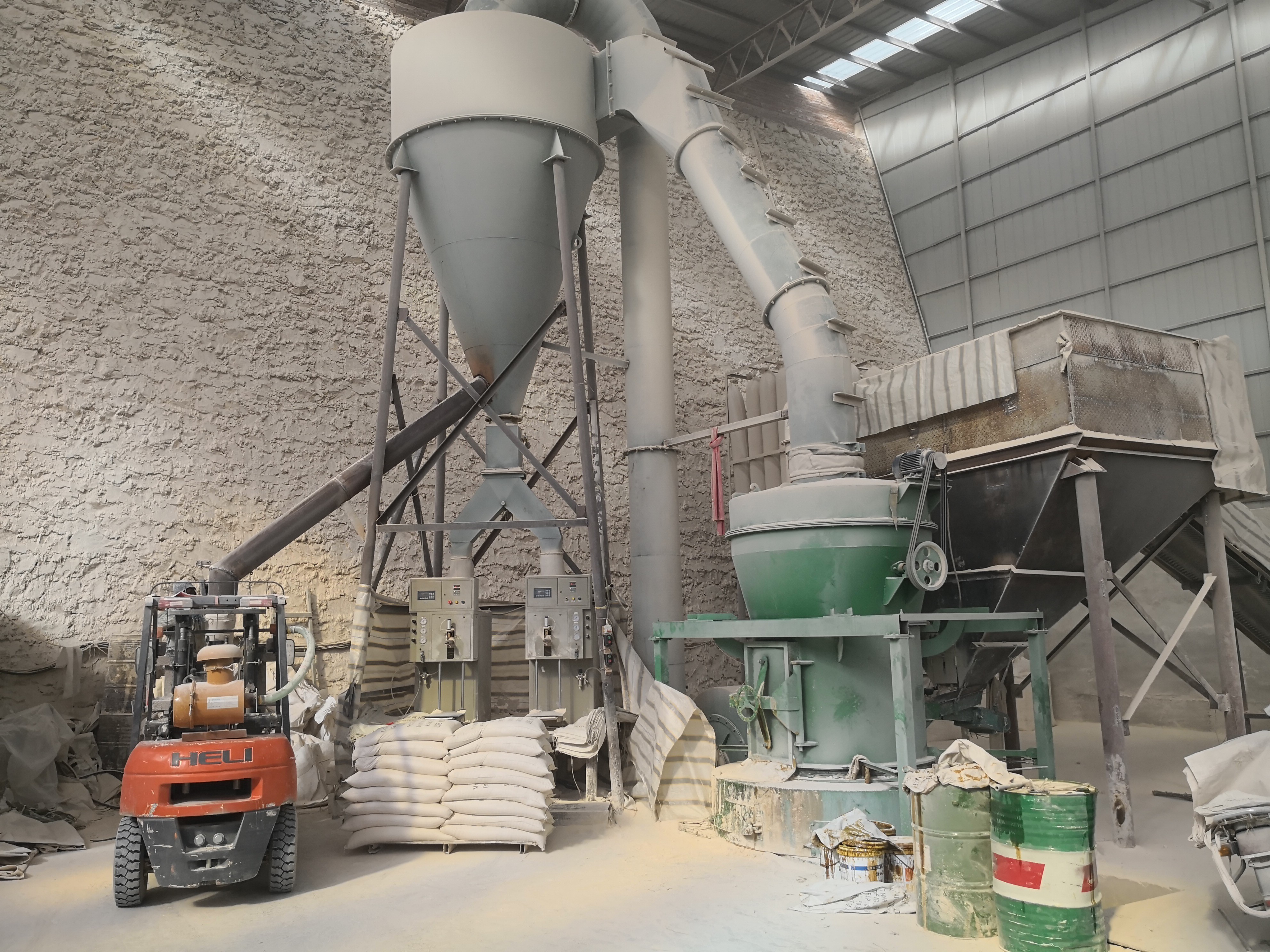
What is Magnesium Oxide?
Magnesium oxide is an inorganic compound with the chemical formula MgO. It is an oxide of magnesium and an ionic compound that appears as a white solid at room temperature. Magnesium oxide exists in the form of periclase in nature and is a raw material for magnesium smelting.
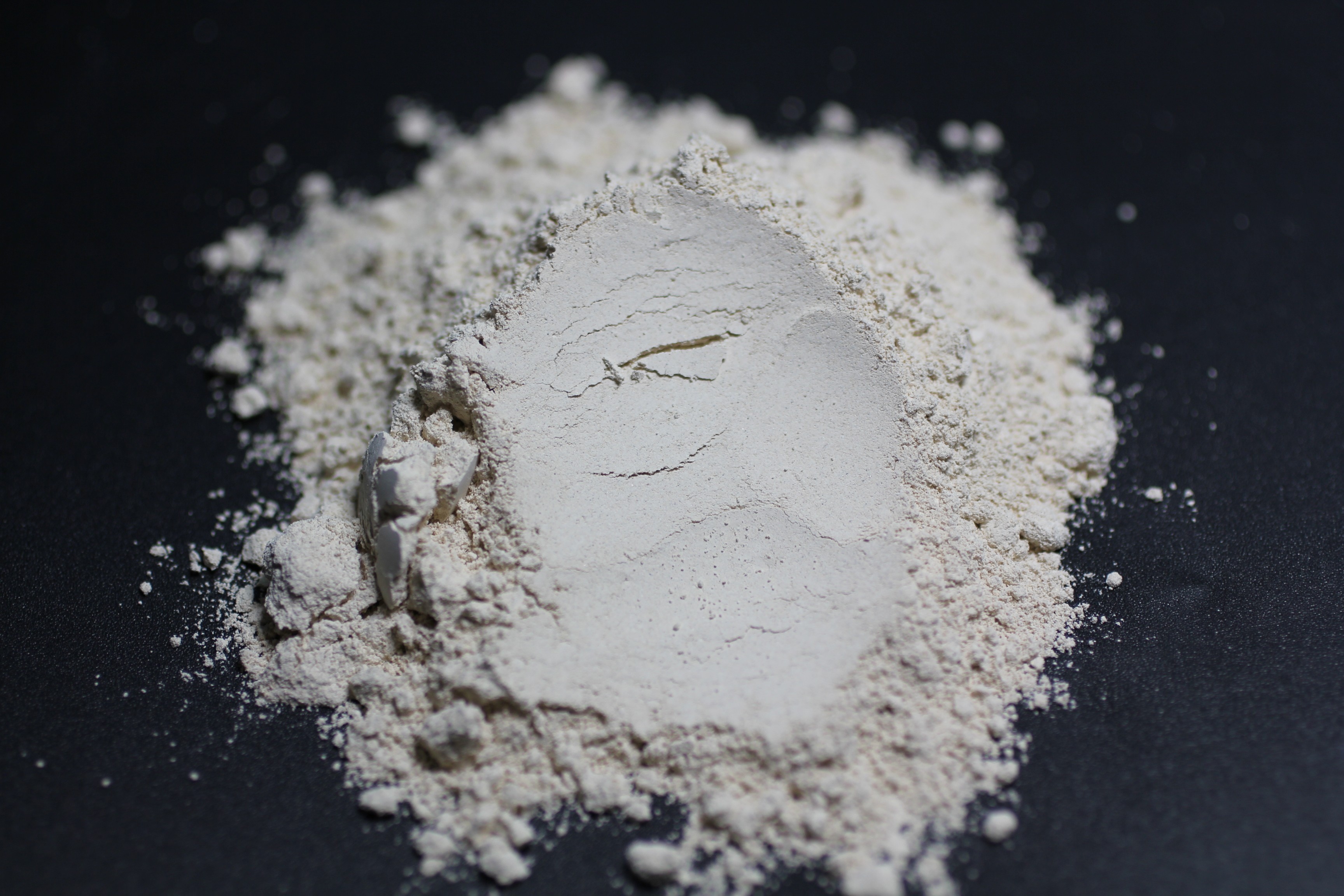
Magnesium oxide has high fire-resistant and insulating properties. After being burned at temperatures above 1000 ° C, it can transform into crystals, and when heated to 1500-2000 ° C, it becomes dead burned magnesium oxide (magnesia) or sintered magnesium oxide. At high
temperatures above 0 ℃, it is almost completely converted to α - Al2O3.
Magnesium oxide is an alkaline oxide with the properties of alkaline oxides and belongs to cementitious materials. It is a white or grayish white powder, odorless, tasteless, and non-toxic. It is a typical alkaline earth metal oxide with the chemical formula MgO. The melting point is 2852 ℃, the boiling point is 3600 ℃, and the density is 3.58g/cm3 (25 ℃). Soluble in acid and ammonium salt solutions, insoluble in alcohol. The solubility in water is 0.00062 g/100 mL (0 ° C) and 0.0086 g/100 mL (30 ° C). When exposed to air, it easily absorbs moisture and carbon dioxide and gradually becomes basic magnesium carbonate. Light products are faster than heavy products and combine with water to form magnesium hydroxide under certain conditions, exhibiting a slightly alkaline reaction. The pH of the saturated aqueous solution is 10.3. Soluble in acids and ammonium salts, insoluble in water, its solution is alkaline. Insoluble in ethanol. Has strong refractive index in the visible and near ultraviolet light range. Magnesite (MgCO3), dolomite (MgCO3 · CaCO3), and seawater are the main raw materials for producing magnesium oxide. Thermal decomposition of magnesite or dolomite yields magnesium oxide. Magnesium hydroxide precipitate is obtained by treating seawater with hydrated lime, and magnesium oxide is obtained by calcining magnesium hydroxide. Magnesium chloride brine blocks obtained from comprehensive utilization of seawater or brine after bromine extraction can also be used as raw materials, and sodium hydroxide or sodium carbonate can be added to generate magnesium hydroxide or basic magnesium carbonate precipitates, which are then burned to obtain magnesium oxide. China mainly uses magnesite, dolomite, brine or brine blocks as raw materials.