Uses of Magnesium Sulfate BY:Lydia
- Share
- publisher
- 、Saskia
- Issue Time
- Feb 5,2026
Summary
Magnesium sulfate, or anhydrous magnesium sulfate, is a magnesium-containing compound with the molecular formula MgSO4 (or MgSO4·7H2O).

Uses of Magnesium Sulfate
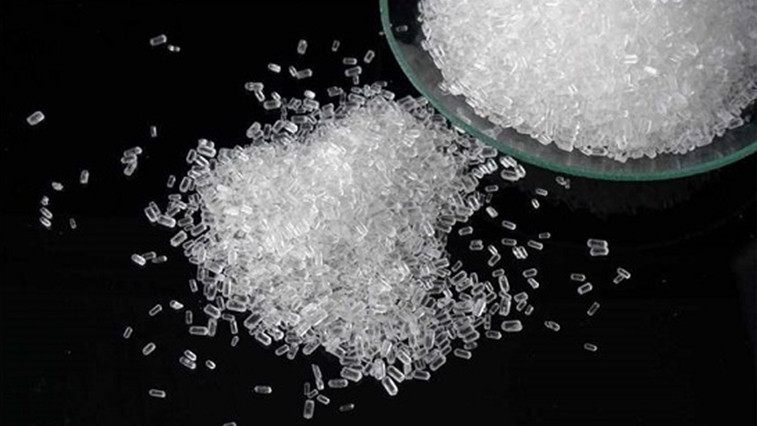
Magnesium sulfate, or anhydrous magnesium sulfate, is a magnesium-containing compound with the molecular formula MgSO4 (or MgSO4·7H2O). Anhydrous magnesium sulfate is a commonly used chemical reagent and drying agent. However, magnesium sulfate often refers to magnesium sulfate heptahydrate because it is less hygroscopic and easier to weigh than anhydrous magnesium sulfate, facilitating quantitative control in industrial applications.
I. Industrial Applications of Magnesium Sulfate:
1. In the dyeing and printing industry, it is used as a weighting agent for fine cotton fabrics, cotton and silk, a filler for kapok products, a color-developing salt for blue dyes, and an alkali absorbent in black liquor;
2. In the microbial industry, it is used as a culture medium component, an additive in brewing, to supplement magnesium in brewing water, and as a nutrient source during fermentation;
3. In the leather industry, it is used as a filler to enhance heat resistance;
4. In light industry, it is used as a stabilizer in the production of fresh yeast, monosodium glutamate, and in the production of dicalcium phosphate in toothpaste;
5. In the cement industry, it is used as a coagulant aid;
6. It is also used in the paper, pesticide, fertilizer, ceramics, pigment, feed, explosives, and fireproofing materials industries.
II. Applications of Magnesium Sulfate in Medicine:
1. Used for constipation and abnormal intestinal fermentation; can also be used in combination with anthelmintics; when used with activated charcoal, it can treat food or drug poisoning.
2. Used for obstructive jaundice and chronic cholecystitis.
3. Used for convulsions, eclampsia, uremia, tetanus, hypertensive encephalopathy, and acute renal hypertensive crisis.
4. Also used for patients with frequent angina attacks that do not respond well to other treatments; it is particularly effective for patients with hypertension.
5. Used externally as a hot compress to reduce inflammation and swelling.
6. Not absorbed orally; used as a laxative and duodenal drainage agent.
7. Has a good anticonvulsant effect on convulsions of various causes, especially eclampsia.