The Unsung Hero: How Dead Burned Magnesia Powers Modern Industries BY:Cherry
- Share
- publisher
- 、Saskia
- Issue Time
- Jan 21,2026
Summary
Dead Burned Magnesia (DBM) is key in metallurgy, construction, chemicals, power, and more for its heat resistance and durability.
The Unsung Hero:
How Dead Burned Magnesia Powers Modern Industries
In the realm of industrial materials, few substances are as versatile and critical as Dead Burned Magnesia (DBM). Produced by calcining magnesium carbonate or magnesium hydroxide at temperatures exceeding 1700°C, this highly refractory material is characterized by its high purity, crystalline periclase structure, and exceptional resistance to heat and corrosion. These properties make it an indispensable component across a surprising array of sectors. The Applications of Dead Burned Magnesia are vast, quietly underpinning the strength and durability of everything from skyscrapers to the steel in our cars, proving it to be a true industrial cornerstone.
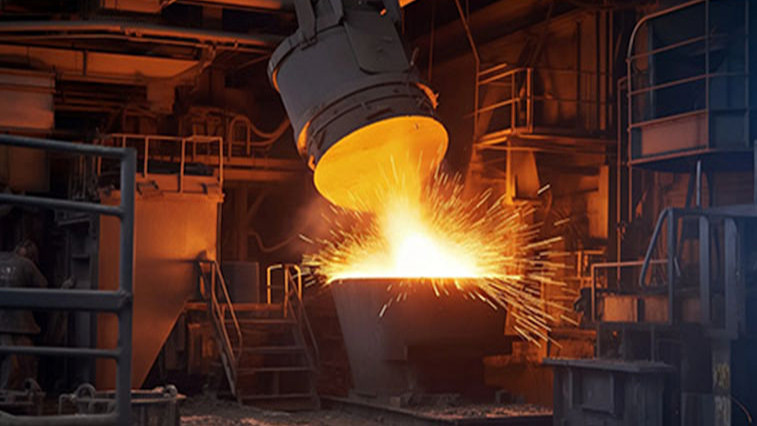
The Metallurgical industry stands as the primary consumer of this remarkable material. Here, Metallurgical Dead Burned Magnesia is the backbone of refractory linings for basic oxygen and electric arc furnaces, ladles, and other hightemperature vessels. Its unparalleled ability to withstand extreme thermal and chemical stressparticularly from molten slag rich in iron oxides and other corrosive agentsensures longer furnace life, improved operational efficiency, and higher purity in steel production. Without DBM's refractory properties, modern, largescale metallurgy would simply not be feasible, highlighting its role in forging the very skeleton of global infrastructure.
Beyond the fiery confines of steel mills, DBM proves its worth in the Construction industry. Dead Burned Magnesia for construction is a key ingredient in a variety of specialized products. It is fundamental in the formulation of magnesium oxychloride (Sorel) and magnesium oxysulfate cements, which are prized for their rapid setting, high strength, fire resistance, and excellent binding properties with organic materials like wood shavings. This makes it ideal for producing fireresistant wall panels, industrial flooring, and decorative architectural elements. Its stability and durability contribute directly to safer and more resilient built environments.
The utility of DBM extends into the chemical and energy sectors, where its chemical inertness and stability are paramount. In the Chemical industry, Dead Burned Magnesia for chemical processes serves as a crucial neutralizing agent for acidic waste streams, a catalyst carrier, and a raw material for producing various magnesium chemicals. Its high melting point and basic nature make it perfect for handling corrosive byproducts. Simultaneously, in the Power generation sector, specifically within coalfired plants, Dead Burned Magnesia for power generation is employed in flue gas desulfurization (FGD) systems. Here, it reacts with sulfur dioxide emissions, effectively neutralizing this harmful pollutant and helping power plants meet stringent environmental regulations, thereby showcasing DBM's role in promoting cleaner industrial operations.
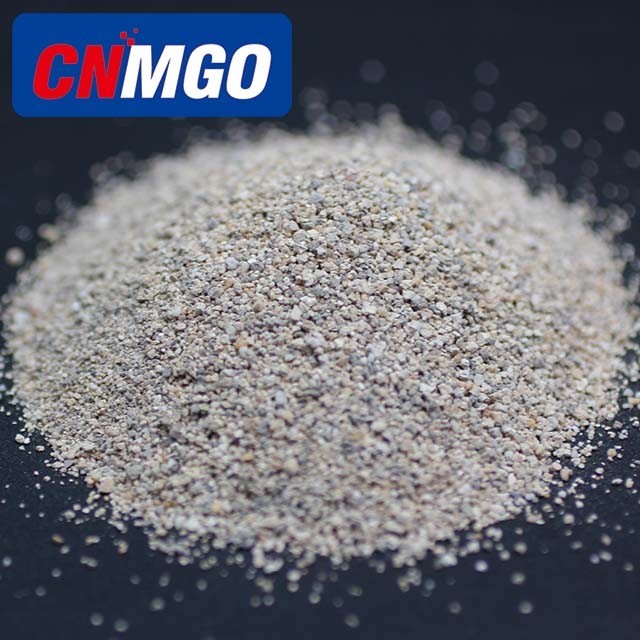
Finally, the influence of Dead Burned Magnesia permeates numerous Other industries. It finds applications in agriculture as a magnesium supplement for soil and animal feed, in environmental projects for wastewater treatment, and even as a stabilizing agent in specialty ceramics and electronics. Its fundamental propertiesrefractoriness, chemical basicity, and stabilityensure its relevance wherever durability against heat or corrosion is required. From the foundations of our cities to the processes that clean our air and power our world, Dead Burned Magnesia remains an essential, though often overlooked, driver of industrial progress and innovation. For more information about our magnesium products, please feel free to contact our sales team