The Complete Guide to Magnesium Oxide Grades: CCM, DBM, and FM Explained
- Share
- Issue Time
- Jul 17,2026
Summary
A comprehensive guide comparing Caustic Calcined Magnesite (CCM), Dead Burned Magnesia (DBM), and Fused Magnesia (FM)—their production, properties, applications, and selection criteria for industrial buyers.
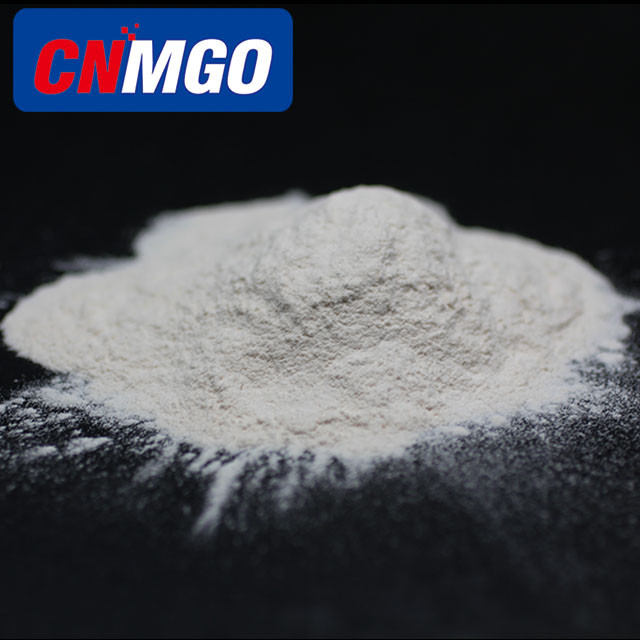
Magnesium oxide (MgO) is one of the most versatile industrial minerals, but not all MgO is the same. Depending on the calcination temperature and processing method, MgO takes three primary forms: Caustic Calcined Magnesite (CCM), Dead Burned Magnesia (DBM), and Fused Magnesia (FM). Each grade offers unique properties for specific industrial applications.
This guide breaks down production processes, key properties, applications, and selection criteria for each MgO grade.
What Is Magnesium Oxide?
MgO is produced by calcining natural magnesite ore (MgCO₃). The calcination temperature determines the resulting grade:
- CCM (Caustic Calcined Magnesite): 700–1,000°C — light burned, reactive magnesia
- DBM (Dead Burned Magnesia): 1,500–2,000°C — sintered, dense magnesia clinker
- FM (Fused Magnesia): >2,800°C — electric arc fused, large crystal magnesia
Caustic Calcined Magnesite (CCM) — Reactive and Versatile
Manufactured at 700–1,000°C, preserving high chemical reactivity while removing CO₂ from the magnesite ore. HOLY MAGNESIUM INDUSTRY produces 200,000 metric tons per year of CCM across 6 calcined magnesite reflection kilns, 1 rotary kiln, and 1 suspension kiln.
Key Properties: MgO content 60–98%, high CIT reactivity (10–60 seconds), bulk density 0.8–1.2 g/cm³. Available as powder, granular (0.3–2mm, 0.1–1.8mm, 0–1mm), and balls (2–5mm, MgO 60–68%).
Primary Applications:
- Agriculture: Soil pH correction, magnesium fertilizer, animal feed supplement
- Environmental: Flue gas desulfurization (FGD), industrial wastewater treatment, acid neutralization
- Construction: Magnesium oxychloride cement (MOC), fireproof boards and panels
- Industrial: Rubber compounding, paints and coatings filler, abrasive binders
- Refractory raw material for magnesia spinel bricks and monolithic castables

High-Purity Caustic Calcined Magnesite Powder (MgO 94–98%) — view product details
Dead Burned Magnesia (DBM) — The Refractory Backbone
Produced at 1,500–2,000°C in rotary or shaft kilns. High-temperature sintering produces dense, low-reactivity magnesium oxide with exceptional thermal stability exceeding 1,800°C.
Key Properties: MgO content 90–98%, bulk density 3.20–3.45 g/cm³ (industry standard >3.30 g/cm³ for BOF applications), very low chemical reactivity, low porosity, high mechanical strength. Available as powder (325 mesh) and graded aggregates (3–5mm, 5–15mm).
Primary Applications:
- Steelmaking: MgO-C bricks for BOF and EAF furnaces, magnesia-chrome bricks for ladles
- Glass industry: Regenerative checker bricks and furnace crown linings
- Cement industry: Rotary kiln refractory linings and firing zone bricks
- Non-ferrous metallurgy: Copper, nickel, and lead smelting furnace linings
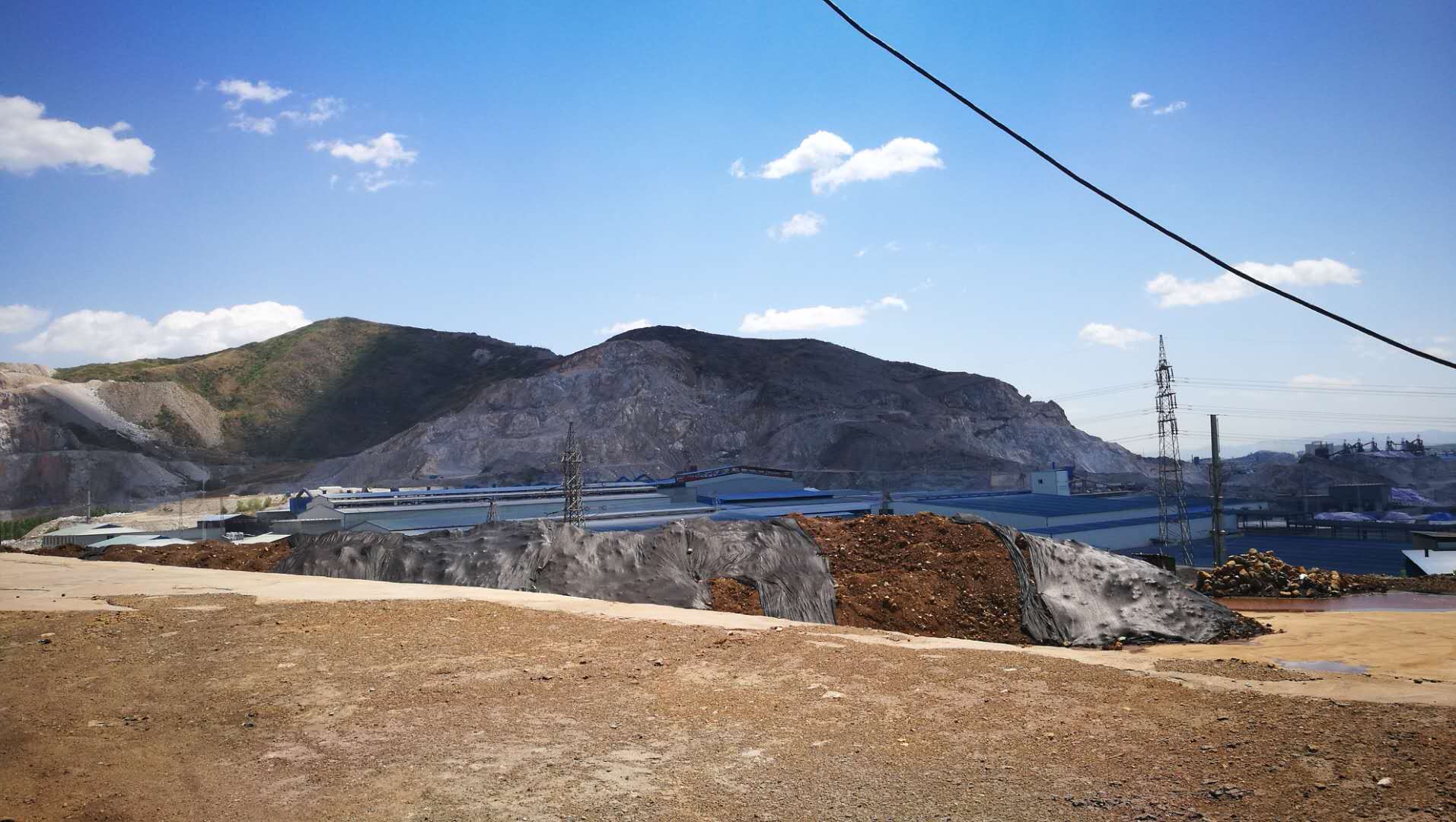
HOLY Magnesium Industry is located in Dashiqiao, Liaoning — the Magnesium Capital of the World
Fused Magnesia (FM) — The Premium Performer
Produced by electric arc fusion at temperatures exceeding 2,800°C. The molten MgO cools slowly to form large periclase crystals with exceptional purity and density. HOLY CNMGO produces Premium FM MgO 95% fused big crystal with a dedicated production capacity of 30,000 metric tons per year.
Key Properties: MgO content 95–99%, bulk density 3.45–3.60 g/cm³, large periclase crystal structure, exceptional electrical resistivity at high temperatures, superior thermal conductivity, extremely low chemical reactivity.
Primary Applications:
- Heating elements: Electrical grade MgO insulation for tubular heaters and thermocouples
- High-end refractories: Sliding gate plates, submerged entry nozzles, and critical refractory components
- Electrical insulation: High-temperature insulating materials for industrial equipment
- Abrasives: Bonded abrasive tools and precision grinding wheels
Side-by-Side Comparison Table
| Property | CCM | DBM | FM |
|---|---|---|---|
| Calcination Temp. | 700–1,000°C | 1,500–2,000°C | >2,800°C |
| MgO Purity | 60–98% | 90–98% | 95–99% |
| Bulk Density | 0.8–1.2 g/cm³ | 3.20–3.45 g/cm³ | 3.45–3.60 g/cm³ |
| Chemical Reactivity | High | Very Low | Extremely Low |
| Crystal Structure | Fine / Amorphous | Small Crystals | Large Periclase |
| Relative Price Level | $ (Budget) | $$ (Standard) | $$$ (Premium) |
| Primary Markets | Agriculture, Chemicals, Environmental | Steelmaking, Glass, Cement | Electronics, High-end Refractory |
How to Select the Right MgO Grade
- Need chemical reactivity? Choose CCM for acid neutralization, soil pH correction, and FGD desulfurization systems.
- Need thermal stability and density? Choose DBM for steelmaking BOF/EAF refractories, glass furnace linings, and cement kiln bricks.
- Need maximum purity and electrical performance? Choose FM for heating element insulation, high-end refractory components, and specialized electrical applications.
Many industrial buyers find significant advantages in sourcing all three grades from a single supplier. Consolidating your MgO supply chain simplifies quality assurance, logistics coordination, and vendor management.
Why HOLY CNMGO Is Your Ideal MgO Partner
- Complete product portfolio: CCM (200,000 MT/y), high-purity magnesia (50,000 MT/y), DBM, and FM (30,000 MT/y) — all from one source
- Advanced production infrastructure: 6 reflection kilns, 1 rotary kiln, 1 suspension kiln, 1 high-purity magnesium sand kiln
- Stable raw material supply: Located in Dashiqiao, Liaoning — the Magnesium Capital of the World with direct access to premium magnesite ore
- Global export experience: Shipping to 60+ countries with proven logistics and documentation expertise
- Consistent quality: Rigorous quality control for MgO content, reactivity (CIT), particle size distribution, and bulk density
- Customization: OEM/ODM packaging, tailored specifications, and technical support for industrial applications

Explore the complete magnesium product range — view all products | contact our sales team
Frequently Asked Questions
Can DBM be used as a substitute for CCM? No. DBM has very low chemical reactivity and cannot provide acid neutralization or soil pH adjustment. Each grade is optimized for its specific applications.
Is FM always better than DBM for refractory use? Not necessarily. DBM is more cost-effective for bulk refractory applications such as MgO-C bricks for basic oxygen furnaces. FM is typically specified only for the most demanding high-temperature or electrical applications.
What is the minimum order quantity for each grade? MOQs vary by grade and specification. Contact our sales team for detailed information on your specific requirements.
Can I request customized specifications? Absolutely. We offer customized particle size distribution, MgO purity levels, and packaging options for volume orders.
Conclusion
Understanding the differences between Caustic Calcined Magnesite, Dead Burned Magnesia, and Fused Magnesia is essential for anyone sourcing magnesium oxide for industrial applications. Each grade serves a distinct purpose, and selecting the wrong grade can lead to poor performance, increased operational costs, and potential process issues.
By partnering with HOLY MAGNESIUM INDUSTRY (CNMGO Group), you gain access to all three grades from a single, reliable supplier with the production capacity, quality control systems, and global logistics to meet your requirements. Whether you need reactive CCM for environmental treatment, dense DBM for steelmaking refractories, or premium FM for electrical insulation, we deliver consistent quality backed by 60+ countries of export experience.
Contact our technical team for application-specific MgO recommendations and current pricing.