Preventing Magnesia Caking from Load to Discharge
- Share
- publisher
- HOLY Magnesium Industry
- Issue Time
- Nov 25,2026
Summary
Why magnesia cakes in transit and how to prevent it from loading through to discharge.
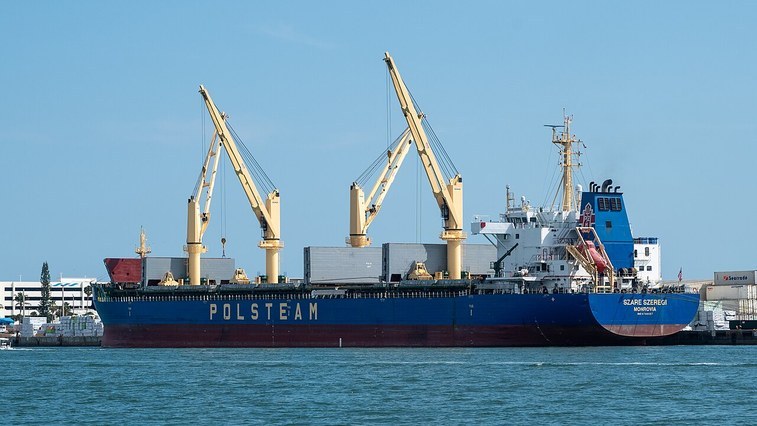
Preventing Magnesia Caking from Load to Discharge
Few things frustrate a magnesium oxide buyer more than opening a container or a jumbo bag and finding that a free-flowing powder has set into lumps. Caking is not a sign that the chemistry has failed; in most cases the MgO content is unchanged. What has changed is the physical condition, and that change is enough to stop a discharger, jam a screw feeder and turn a routine unloading into a day of manual breaking. Understanding where caking starts and how it propagates is the cheapest way to prevent it, because every one of the causes is controllable at a specific point in the logistics chain.
Why Magnesia Cakes
Caking is a bonding process between particles. Magnesium oxide is hygroscopic and slightly soluble; when moisture is present, a thin film of solution forms at the contact points between particles and begins to convert MgO into magnesium hydroxide and, with exposure to air, magnesium carbonate. As that film dries or crystallises it forms solid bridges, and the bridges turn a loose bed into a coherent mass. Three factors drive the rate: the amount of moisture available, the pressure under which the material is stored, and time. Fine powders cake fastest because they have the most contact points per unit volume and the largest surface for moisture to act on.
Moisture at the Point of Loading
Prevention begins before the material leaves the plant. Product should be packed at a controlled moisture level, bagged only when cool, and never loaded during rain. Liners must be intact and properly closed, whether heat-sealed or tied, because a liner that is folded rather than sealed offers almost no barrier over a long voyage. Pallets should be dry and, where required, heat-treated. Loading in covered conditions and photographing the container before sealing are simple steps that both reduce risk and settle any later disagreement about where the moisture came from.
Container Conditions and Container Rain
The biggest single cause of caking in sea freight is condensation inside the container, usually called container rain. A container loaded with warm product in a humid port then travels through a cooler climate zone; when the steel walls fall below the dew point of the air inside, water condenses on the roof and walls and drips onto the top of the load. The top layer of bags absorbs it first, which is why caking is often worst in the upper rows. Countermeasures are straightforward: line the container or use a moisture-barrier liner, add desiccant sized to the voyage, load product that has cooled after packing, and avoid loading during wet weather or immediately after the container has been washed.
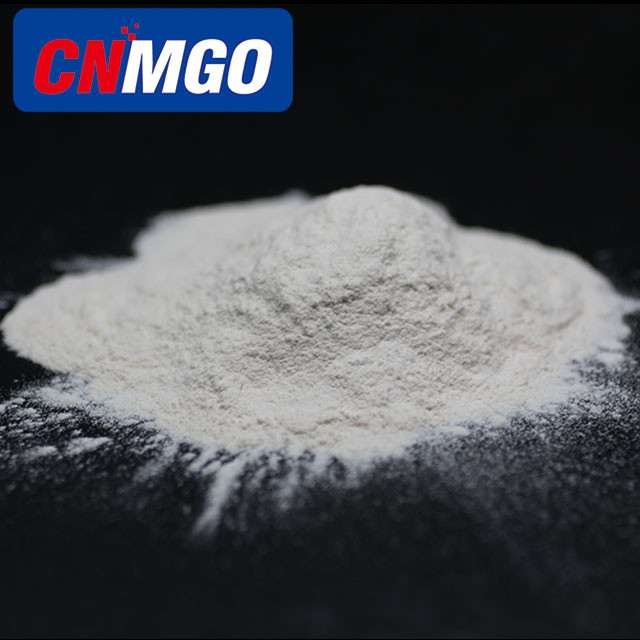
High purity CCM powder, a fine reactive grade that must be protected from moisture in transit.
Time and route matter as much as packing. A short coastal voyage presents little risk; a five-week route crossing the equator and discharging into a tropical wet season presents much more. Long voyages give more time for moisture migration and for bridge growth under the weight of stacked bags. Because the risk scales with the route, packaging should be specified against the actual destination and season rather than as a fixed default. Buyers in high-humidity markets should say so at enquiry stage and ask for the barrier and desiccant arrangement to be upgraded accordingly.
Storage and Stacking at Destination
Caking frequently develops after discharge rather than during the voyage. Common causes include storing bags directly on a concrete floor that wicks moisture, stacking pallets too high so the bottom bags carry excessive load, leaving bags exposed in an open yard, and storing partly used bags unsealed. Good practice is simple: keep material under cover, store on pallets with clearance from walls and floor, limit stack height, rotate stock on a first-in-first-out basis, and reseal opened bags immediately. Where product will be held for more than a few weeks, consider a moisture-barrier liner or a dehumidified store.
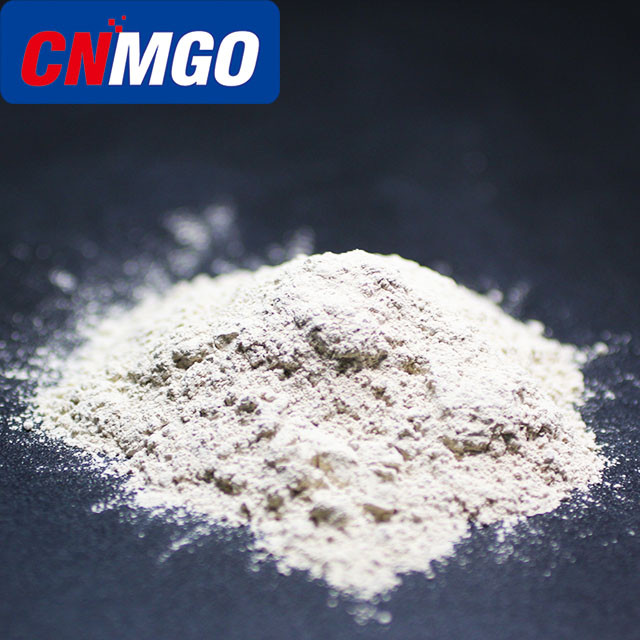
DBM powder at 325 mesh, a dense grade that still requires dry storage.
Discharge Techniques and Salvaging Caked Material
When caking does occur, the response depends on severity. Slight lumping often breaks up when the jumbo bag is lifted and lowered, or when gentle external vibration or massaging is applied to the bag before discharge. More consolidated material may need the bag opened and the lumps broken with a soft-faced tool; never use sparking tools or excessive force on a suspended bag. For powder that is only surface-caked, sieving the broken material usually restores full functionality.
Where product has been genuinely wetted through, test before use. Measure loss on ignition, since a high value indicates substantial hydration and carbonation, and check reactivity or activity for caustic calcined grades. Material that has simply caked but stayed dry is chemically fine and can be used normally; material that has taken up significant water has lost reactivity and may need to be reallocated to a less demanding application.
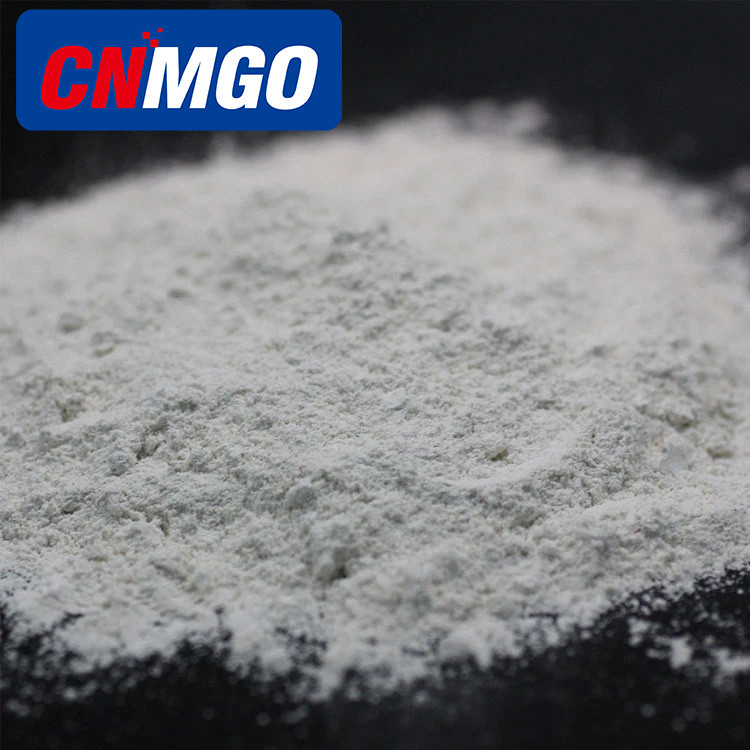
Kieserite powder, which benefits from the same moisture-barrier packing discipline.
Writing Caking Prevention Into the Order
Most of this can be captured in the purchase contract. State the packing format, liner type and closure, whether pallets are stretch-wrapped or hooded, whether a container liner and desiccant are required, the maximum acceptable moisture at loading, and the net weight tolerance. Agree the Incoterm so it is clear who bears the risk during the voyage, and require photographs at loading and on arrival. These clauses cost nothing to agree and remove most of the ambiguity when something does go wrong.
HOLY Perspective
HOLY (CNMGO Group Limited) packs CCM, DBM, fused magnesia and kieserite for export from Dalian to more than 50 countries, with moisture-barrier liners, container liners and desiccant available for humid routes. Tell us your destination and discharge setup and we will specify packing that keeps the product free-flowing to the point of use.