Preparing MgO Slurry for Flue Gas Desulfurization
- Share
- publisher
- HOLY Magnesium Industry
- Issue Time
- Nov 11,2026
Summary
How to prepare, dose and control MgO slurry for reliable SO2 removal in FGD systems.
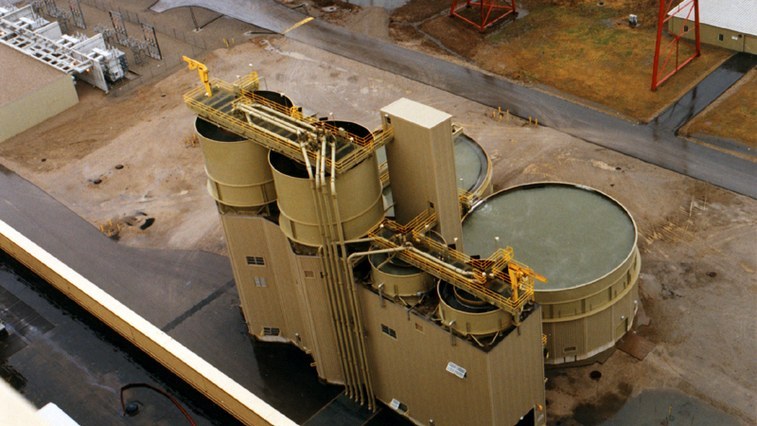
Preparing MgO Slurry for Flue Gas Desulfurization
Magnesium oxide slurry is one of the most effective reagents for removing sulphur dioxide from flue gas in coal-fired boilers, sintering plants, industrial boilers, glass furnaces and marine exhaust scrubbers. Compared with lime or limestone, MgO offers higher reactivity per unit mass, produces highly soluble reaction products that resist scaling, and in the regenerable route allows the magnesium to be recovered and reused. The performance of the whole system depends less on absorber design than on how the slurry is prepared. A poorly prepared slurry blocks nozzles, swings pH, wastes reagent and produces inconsistent sulphur dioxide removal, while a well-prepared one runs for months with minimal intervention.
Why MgO Slurry Works for SO2 Removal
When sulphur dioxide contacts an aqueous suspension of magnesium oxide, it dissolves to form sulphurous acid, which reacts with suspended and dissolved MgO to form magnesium sulphite. With adequate oxidation air, the sulphite converts to magnesium sulphate, a stable and highly soluble product. This chemistry gives MgO two practical advantages. The magnesium salts formed are far more soluble than calcium sulphite or calcium sulphate, so the slurry stays fluid and scale formation on packing, spray nozzles and demisters is much lower than in limestone systems. The reaction is also fast, which allows a compact absorber with a short contact time and a lower liquid to gas ratio.
The trade-off is that MgO is a purchased reagent rather than a cheap quarried stone, so reagent efficiency matters. Efficiency is governed by how much of the MgO actually dissolves and becomes available before the droplet leaves the absorption zone. Coarse, poorly dispersed or aged particles pass through unreacted and end up in the effluent, raising operating cost without improving removal.
Choosing the Right Magnesia Grade
Slurry preparation starts with grade selection. Highly reactive, light burned material is what flue gas desulfurization requires. Caustic calcined magnesite produced at roughly 700 to 1000 C retains an open crystal structure with high surface area and hydrates readily, which is exactly the behaviour needed in a slurry tank. Dead burned or fused magnesia is sintered to dense periclase and hydrates far too slowly to be useful in this application, even though its MgO percentage is higher. Buyers should therefore specify reactivity rather than purity alone, and should ask for the activity value or hydration rate together with MgO content.
Industrial grades in the 85 to 92 percent MgO range are the usual economic choice for desulfurization, while higher purity grades are used where the spent slurry is destined for a saleable by-product stream. Impurities such as silica and lime are largely inert in the absorber but increase sludge volume and can contribute to scale, so they should be capped in the specification.
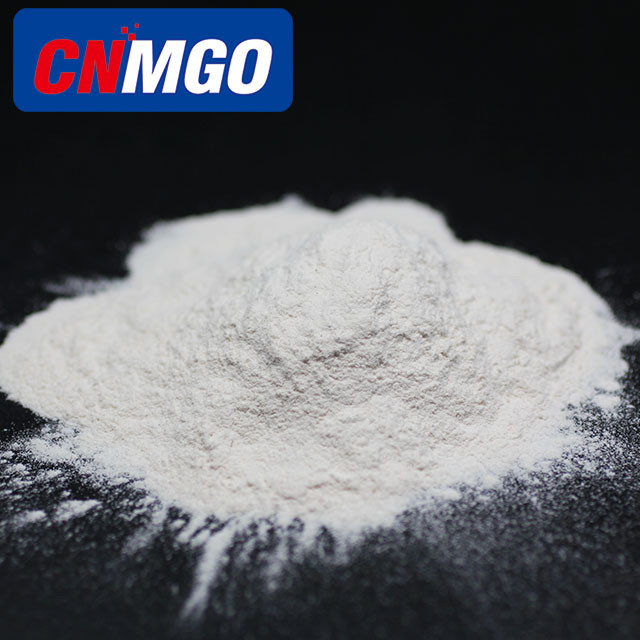
Industrial grade CCM powder, MgO 85 to 92 percent, the standard reagent grade for slurry systems.
Slurry Preparation Equipment and Layout
A typical preparation system has three stages: a slaking or hydration tank, a storage and feed tank, and a dosing circuit feeding the absorber. Powder is metered from a silo or a big-bag discharger into the slaking tank by a screw feeder or a loss-in-weight feeder, and water is added at a controlled ratio. Agitation is critical. A slow-speed, high-torque agitator with a pitched-blade or hydrofoil impeller keeps solids in suspension without shearing the slurry into a gel, while an undersized mixer allows solids to settle and form a hard heel that eventually jams the pump. Tanks should be sized for the residence time needed to complete hydration plus a margin for peak demand.
Water quality also matters. Very hard water or water with high sulphate content can promote scale in piping, and warm water accelerates hydration and shortens the required residence time. Where the plant operates continuously, two tanks used alternately allow one batch to complete hydration while the other feeds the absorber.
Controlling Solids Content and Particle Size
Solids concentration is the most frequently tuned parameter in a slurry system. Too dilute and the plant pumps and stores water unnecessarily, increasing tank volume and heating load; too concentrated and the slurry becomes difficult to pump, settles in pipe runs and accelerates wear. Many systems prepare at roughly 15 to 30 percent solids by mass and then dilute to the working concentration at the absorber. The right value depends on pump type, pipe length and atomisation requirement, so it should be established by trial and then written into the operating procedure.
Particle size deserves equal attention. Fine powder hydrates faster and produces a more stable suspension, but very fine material can thicken and increases dust exposure during handling. Most operators specify a milled powder with a defined sieve residue, verify it on receipt, and confirm that the grind is consistent from lot to lot. Milling or wet screening on site adds cost and complexity, so it is better to buy the correct grind in the first place.
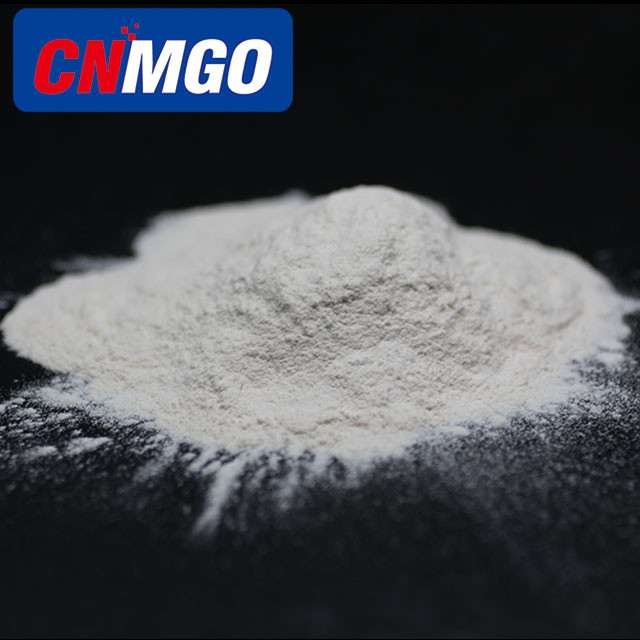
High purity CCM powder, MgO 94 to 98 percent, for systems that need maximum reactivity.
Process Control: pH, Stoichiometry and Oxidation
Once the slurry is prepared, the absorber needs three controlled variables. The first is pH in the recirculation loop, normally held in a mildly acidic to near-neutral band; running too alkaline wastes reagent and promotes scaling, while running too acidic reduces removal efficiency. The second is stoichiometry, usually expressed as the molar ratio of magnesium to sulphur removed, which sets reagent consumption and should be tracked daily against stack readings. The third is oxidation: sufficient air must be injected into the reaction tank to convert sulphite to sulphate, because incomplete oxidation leaves a product that is harder to dewater and that can release sulphur dioxide downstream.
Instrumentation deserves as much care as the chemistry. pH probes in magnesium slurry foul quickly and are a common source of control drift, so plan for regular cleaning and calibration and cross-check the probe against laboratory titration of grab samples at least weekly.
Handling, Storage and Spent Slurry Management
Dry magnesia must be kept dry before it reaches the tank. Store bagged or jumbo-bagged material under cover, off the floor, and rotate stock, because powder that has absorbed moisture and carbon dioxide hydrates and carbonates in the bag, losing reactivity and forming lumps that jam feeders. In the slurry circuit, keep lines flushed or recirculating during shutdown, since settled solids harden in dead legs. On the outlet side, decide early whether the magnesium sulphate solution will go to a wastewater treatment plant, be crystallised as a saleable fertiliser-grade product, or be regenerated; each route imposes different purity requirements on the incoming MgO and should be considered at specification stage rather than after commissioning.
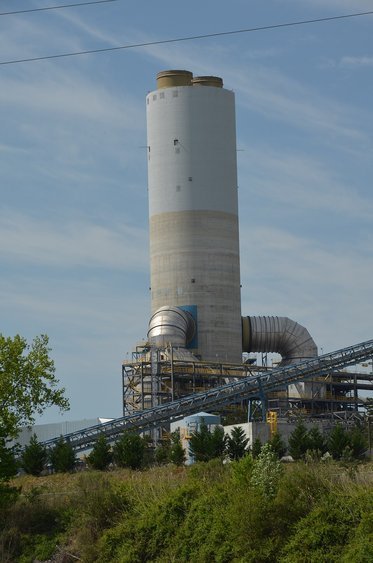
HOLY Perspective
HOLY (CNMGO Group Limited) supplies caustic calcined magnesite for flue gas desulfurization from Dashiqiao in Liaoning, shipped FOB Dalian to customers in more than 50 countries. Tell us your absorber type, target sulphur dioxide outlet and reagent consumption and we will recommend a reactivity band and grind that match your preparation system.