How Dead Burned Magnesia Fortifies Modern Steelmaking BY:Binny
- Share
- publisher
- 、Saskia
- Issue Time
- Jan 27,2026
Summary
Dead Burned Magnesia is pivotal in steelmaking, enhancing refractory longevity, optimizing slag control, and improving final steel quality and sustainability.
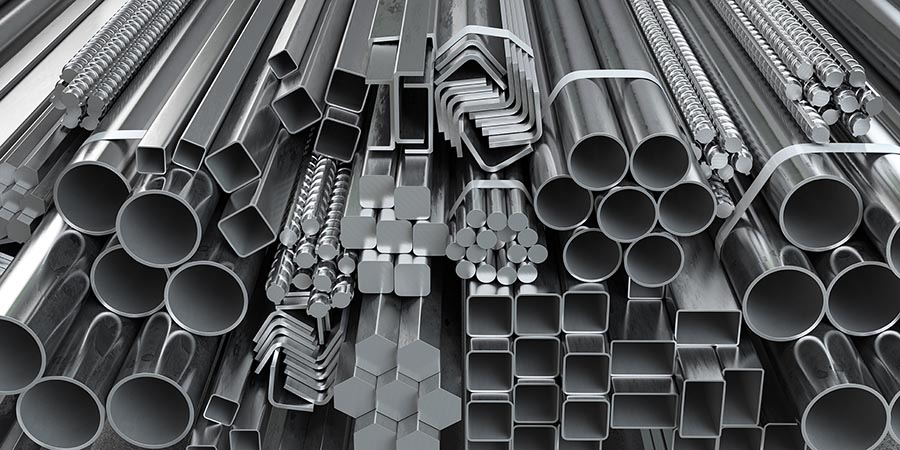
How Dead Burned Magnesia Fortifies Modern Steelmaking
In the fiercely demanding environment of a modern steel mill, where temperatures soar beyond 1600°C, the choice of refractory materials is not just about containment—it's about survival and efficiency. At the heart of many critical refractory applications lies Dead Burned Magnesia (DBM), a robust, high-purity magnesium oxide product. Its exceptional resistance to basic slags and high thermal stability make it the cornerstone of Basic Refractories. These refractories form the essential protective barrier in vessels like basic oxygen furnaces (BOFs) and electric arc furnaces (EAFs), safeguarding the steelmaking process from start to finish.
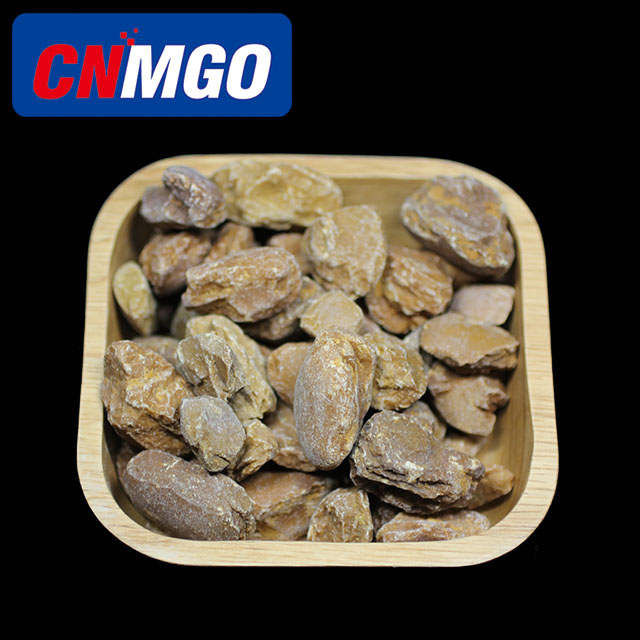
The primary and most vital application of DBM is in the construction and maintenance of the Refractory Lining. Specifically, MgO-C Bricks, which combine dead burned magnesia with graphite, are ubiquitous in furnace hearths, tap holes, and sidewalls. Their superior performance against thermal shock, corrosion, and mechanical wear directly extends campaign life, reduces downtime, and boosts overall productivity. Furthermore, consistent Steel Ladle Maintenance relies on DBM-based gunning mixes and repair mortars to patch and line ladles, ensuring safe and efficient transportation of molten steel while minimizing material loss.
Beyond its structural role, DBM plays a dynamic chemical part in steel refinement. It is strategically added for Slag Conditioning. By adjusting the slag's basicity (MgO content), DBM optimizes its fluidity and reactivity. This controlled slag effectively absorbs impurities like phosphorus and sulfur from the molten metal. This process is crucial for Desulfurization, a key step in producing high-grade, clean steel required for automotive and specialty applications. The use of DBM in slag management not only improves steel purity but also enhances the slag's stability, making it more environmentally friendly for subsequent disposal or recycling.
Looking ahead, the drive for more sustainable and cost-effective steel production continues to elevate the importance of high-quality DBM. Innovations focus on developing DBM grades with even higher purity and optimized grain structures to further extend refractory service life and improve metallurgical outcomes. As steelmakers push the limits of efficiency and environmental compliance, the role of reliable, high-performance Dead Burned Magnesia becomes increasingly indispensable, truly making it an unsung hero of the industry.
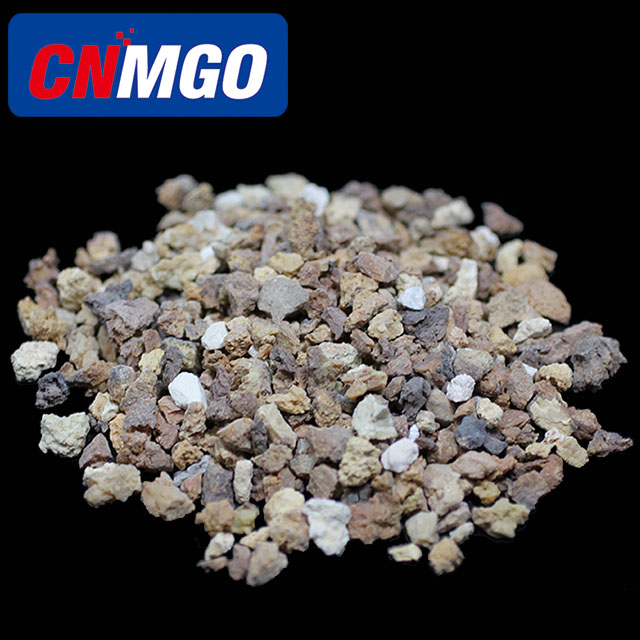
HOLY MAGNESIUM INDUSTRY has a profound understanding of the different needs of various customers. Our core Dead Burned Magnesia products, including some high-quality Dead Burned Magnesia grades tailored for specific refractory and slag conditioning applications, are engineered to meet the rigorous challenges of modern steelmaking, helping our partners achieve greater efficiency, quality, and sustainability.