Dead Burned Magnesia: Key Refractory Applications and Benefits BY:Danny
- Share
- publisher
- 、Saskia
- Issue Time
- Mar 31,2026
Summary
Explore how dead burned magnesia powers high-temperature industries through magnesia carbon bricks, refractory linings, and steelmaking furnaces for superior heat resistance.
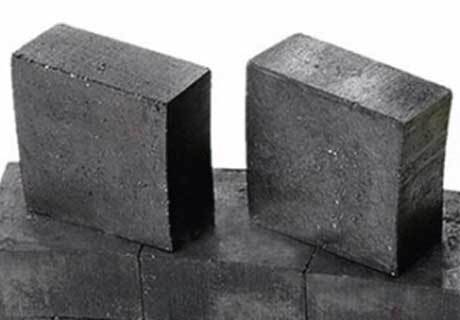
Dead Burned Magnesia: Key Refractory Applications and Benefits
Dead burned magnesia (DBM), also known as sintered magnesia, is produced by calcining natural magnesite at extremely high temperatures of 1,500°C to 2,000°C in rotary or shaft kilns. This high-temperature treatment yields a dense, chemically stable material with a melting point of 2,852°C, making it one of the most heat-resistant materials available. Approximately 90% of global magnesite production is dedicated to refractory applications, underscoring the critical role of dead burned magnesia in modern industry. The unique combination of high bulk density, low porosity, and excellent hydration resistance makes DBM the preferred raw material for producing a wide range of refractory products used in the most demanding thermal environments.
The steel industry represents the largest consumer of dead burned magnesia, primarily through the production of magnesia carbon bricks. These high-performance refractory bricks are manufactured by combining dead burned magnesia with graphite and resin binders, creating a composite material that exhibits outstanding slag resistance, thermal shock stability, and high-temperature strength. In steelmaking furnaces, including Basic Oxygen Furnaces (BOFs), Electric Arc Furnaces (EAFs), and steel ladles, magnesia carbon bricks provide essential protection against the corrosive effects of basic slags containing CaO, FeO, and MnO. The superior performance of these bricks directly translates to longer furnace campaigns, reduced maintenance downtime, and improved steel quality. The global market for dead burned magnesia is projected to grow from USD 2,039.58 million in 2025 to USD 2,547.90 million by 2032, driven primarily by sustained demand from the steel sector.
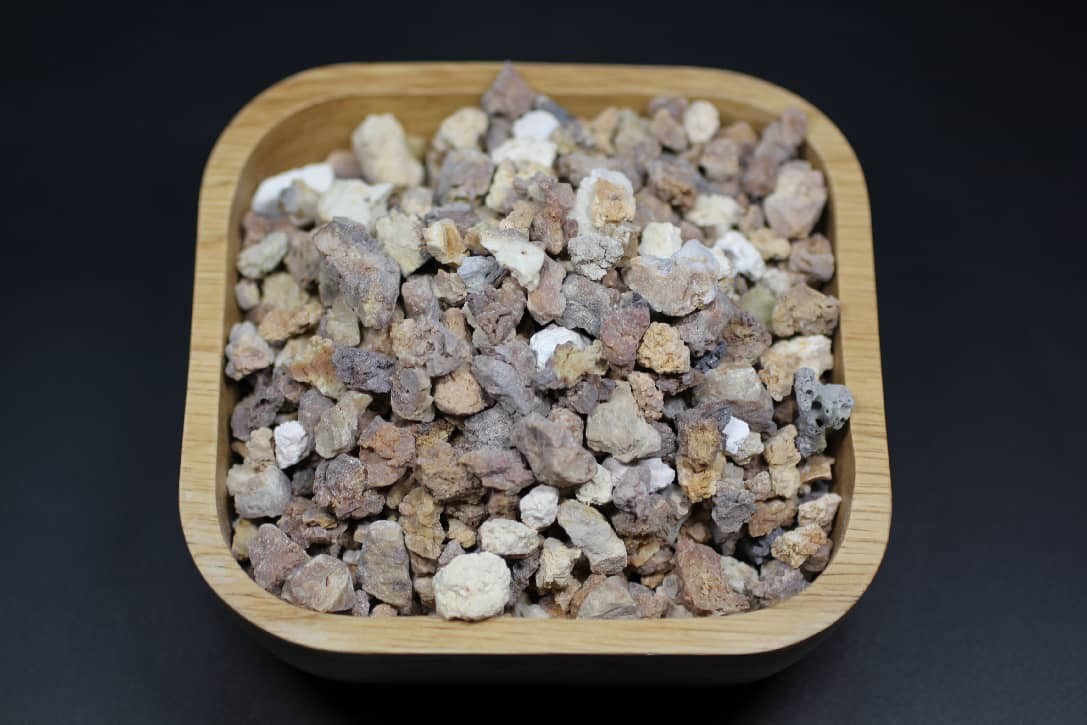
The exceptional properties of dead burned magnesia—high refractoriness, excellent slag resistance, and superior thermal stability—make it indispensable for modern high-temperature industrial processes. From steelmaking furnaces and cement kilns to glass tanks and non-ferrous smelters, DBM-based refractories ensure operational efficiency, equipment longevity, and process reliability. As global industrial production continues to expand, particularly in emerging economies, the demand for high-quality dead burned magnesia will only intensify.
HOLY MAGNESIUM INDUSTRY has a profound understanding of the diverse needs of different customers. Our Dead Burned Magnesia products, including some high-quality ones, are produced using advanced manufacturing processes and strict quality control, ensuring that each batch of products has stable chemical composition and excellent physical properties. We are committed to providing our customers with the highest quality refractory material solutions, helping the global high-temperature industries achieve more efficient and sustainable development. If you need more information about the products or have customization requirements, please feel free to contact us at any time.